
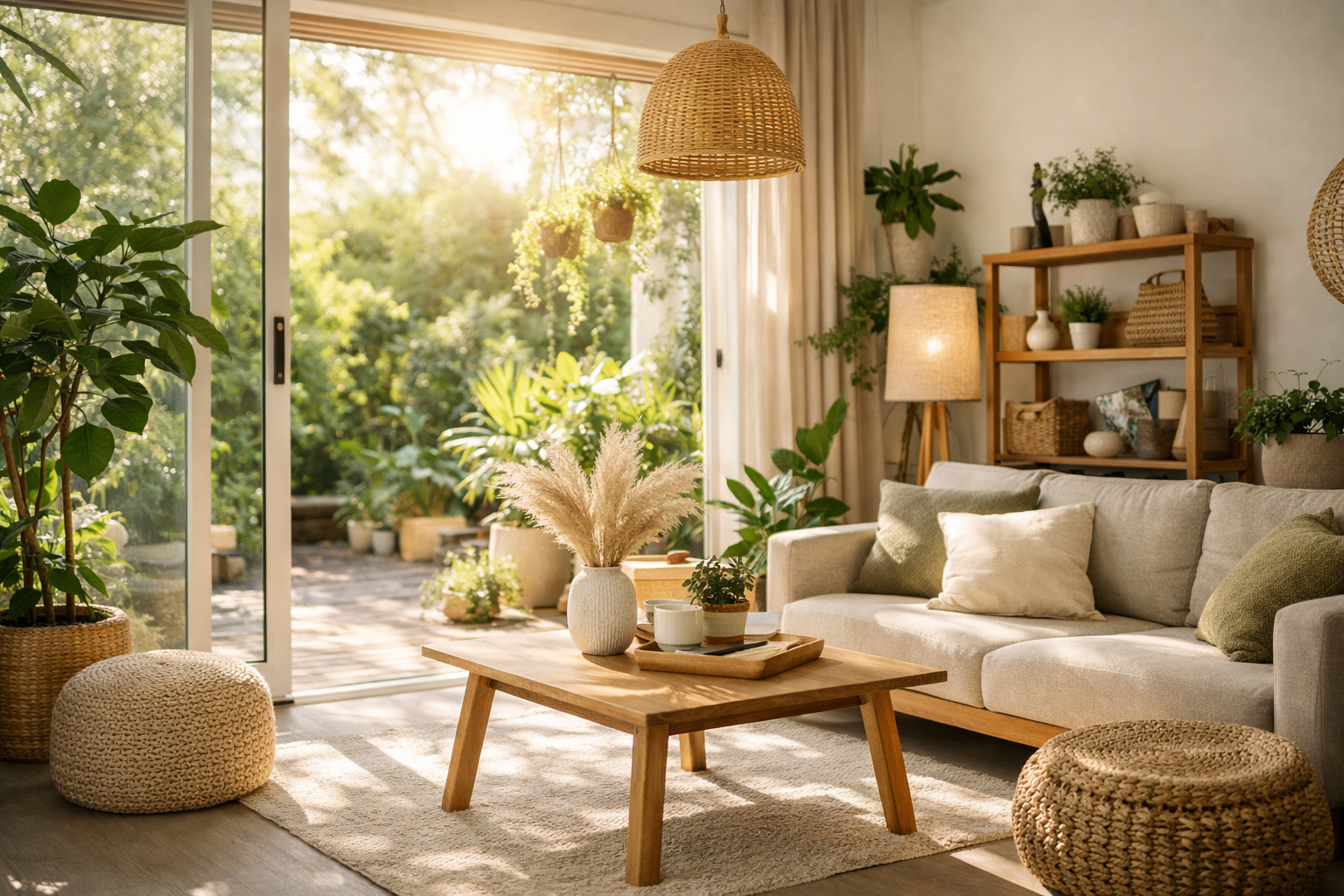
Sustainability is no longer a trend—it is a necessity. As designers, architects, and homeowners become more conscious of their environmental impact, green materials are taking center stage in modern interior design. These materials not only reduce carbon footprints but also promote healthier living environments and long-term cost efficiency.
In this blog, we’ll explore what green materials are, why they matter, and how they can transform your interior spaces.
What Are Green Materials?
Green materials, also known as sustainable or eco-friendly materials, are those that are responsibly sourced, energy-efficient, recyclable, biodegradable, or low in toxic emissions. They minimize harm to the environment during production, usage, and disposal.
Why Should You Choose Green Materials?
Here’s why sustainable materials are becoming the preferred choice in interior design:
1. Healthier Indoor Environment
Many conventional materials release harmful chemicals known as VOCs (Volatile Organic Compounds). Green materials improve indoor air quality, making homes safer for children, elderly people, and those with allergies.
2. Environmentally Responsible
These materials reduce deforestation, pollution, and waste while promoting renewable resources.
3. Energy Efficient
Sustainable materials often provide better insulation and thermal control, reducing electricity consumption.
4. Long-Term Cost Savings
Though some green materials may seem expensive initially, they last longer and reduce maintenance and energy bills.
Popular Green Materials Used in Interiors
Here are some widely used eco-friendly materials in interior design:
Bamboo
Fast-growing and renewable, bamboo is perfect for flooring, furniture, and wall panels.
Cork
Harvested from tree bark without harming the tree, cork is soft, durable, and great for acoustic insulation.
Reclaimed Wood
Salvaged from old buildings, reclaimed wood adds character while reducing the need for new timber.
Recycled Metal & Glass
These materials are ideal for décor, countertops, partitions, and lighting fixtures.
Low-VOC Paints
They improve indoor air quality and are available in a wide range of shades.
Natural Fabrics
Organic cotton, jute, linen, and wool are biodegradable and free from harmful chemicals.
Stone and Clay
Natural stone, terracotta, and clay-based materials provide timeless beauty with minimal processing.
How Green Materials Enhance Interior Design
Sustainability doesn’t mean compromising on aesthetics. Green materials offer:
Warm, natural textures
Timeless and earthy tones
Minimalist elegance
Biophilic design appeal
A deeper connection with nature
They work beautifully in residential, commercial, hospitality, and workspace interiors.
The Future of Sustainable Design
Green interiors are not just about materials—it’s about a lifestyle choice. As climate concerns rise, the demand for sustainable spaces will only grow. Smart homes, energy-efficient lighting, water-saving systems, and eco-conscious furniture will soon become standard design elements.
Designing with green materials is a step toward a healthier planet and a healthier you.